


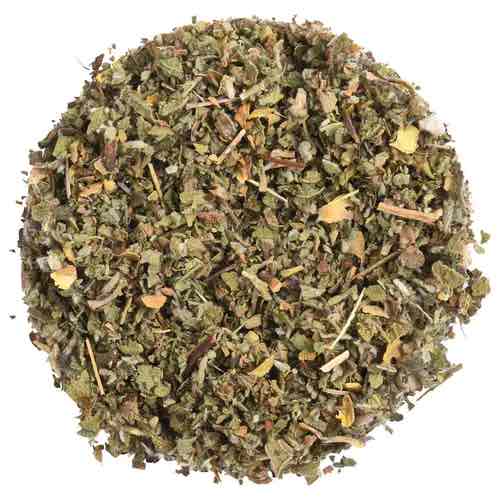

Organic Rock Rose (Cistus incanus) is an uncommon medicinal herb. It is a medicinal flowering plant native to the Mediterranean region, commonly known for its antimicrobial, anti-inflammatory, and antioxidant properties, as well as for treating Lyme disease.
Here’s what it’s used for:
Anti-Microbial
- Used in Lyme disease protocols for babesia (one of the most common Lyme co-infections.)
- shows significant antiviral activity against herpes viruses.
- could have anti-bacterial effects against Streptococcus mutans, the bacteria known to cause tooth decay
- Has antifungal properties and could help with Candida
Immune Support
- Antiviral properties against enveloped viruses (influenza, herpes, RSV)
- Antibacterial effects against gram-positive bacteria
- Biofilm disruption in chronic infections
Anti-Inflammatory
- Soothes respiratory inflammation (bronchitis, sinusitis)
- Reduces gut inflammation
- Topical application for skin irritation and wounds
How It’s Used
- Tea/infusion: 1-2 tsp dried herb in hot water, steep 10 minutes
- Tincture: 1-2 ml, 2-3× daily
- Inhalation: Steam for respiratory support
Cautions
- Avoid during pregnancy
- Not for prolonged daily use (cycle 2 weeks on/1 week off)
- May interact with anticoagulants and seizure medications
- Bitter taste can aggravate reflux
Key Research: Johns Hopkins 2020 Study
A landmark in vitro study from Johns Hopkins Bloomberg School of Public Health tested 14 plant extracts against Borrelia burgdorferi (the Lyme bacteria) and found that both Mediterranean rockrose (Cistus incanus) and sweet wormwood (Artemisia annua) were among seven herbs that outperformed standard antibiotics (doxycycline and cefuroxime) .
Specific Findings:
Table
|
Herb |
Activity Against Lyme |
Key Mechanism |
|
Sweet wormwood (Artemisia annua) |
Strong activity against stationary phase/persister cells (dormant bacteria that antibiotics miss) |
Artemisinin generates free radicals that damage bacterial proteins |
|
Mediterranean rockrose (Cistus incanus) |
Strong activity; inhibits biofilm formation without harming healthy cells |
Polyphenols disrupt bacterial cell membranes |
Clinical Experience
Dr. Ying Zhang (Johns Hopkins): “This study provides the first convincing evidence that some of the herbs used by patients, such as Cryptolepis, black walnut, sweet wormwood, cat’s claw, and Japanese knotweed have potent activity against Lyme disease bacteria, especially the dormant persister forms, which are not killed by the current Lyme antibiotics” .
Dr. Sunjya Schweig (California Center for Functional Medicine): Notes that many patients turn to these herbal remedies to fill treatment gaps left by antibiotics, but emphasizes the need for clinical trials .
A 2020-2024 clinical study in Germany used a tincture combining both rock rose and sweet wormwood (along with other herbs) versus standard antibiotics, measuring outcomes with lymphocyte transformation tests. Results showed both approaches reduced disease activity, though the study was retrospective and not randomized .
How It Helps Lyme Patients Specifically
- Targets persister cells – The stationary phase bacteria that cause chronic/persistent Lyme symptoms
- Biofilm disruption – Rock rose breaks down the protective slime colonies bacteria hide in
- Co-infection coverage – Sweet wormwood is traditionally used for Babesia (a malaria-like co-infection common in Lyme patients)
- Anti-inflammatory – Both herbs reduce the inflammatory cascade that causes Lyme symptoms



Reviews
There are no reviews yet.